For a long time, the zombie apocalypse was my ice breaker for trainings and workshops in first aid and disaster response. But really, I think the zombie apocalypse is stale. We’re already there. Because scrolling creates zombies. Behind the onslaught of images lives an algorithm that feeds you whatever gets you to keep scrolling.
Instagram. TikTok, Facebook, YouTube, whatever. They reflect us in the ways that keep us in front of that shiny screen poking at it like stupid monkeys, instead of smart monkeys that go out and find something to eat.
Isn’t it a bit insidious to think of the words we use now, “feed” and “follow.” Feed is what is given to those who can’t control what they eat, like babies and farm animals. Following was once a crime, now it’s an expectation. Who are you following? How many followers do you have? What’s in your feed? How are you feeding yourself?
That last one is a question to pursue another time.

Is it helping? I can’t be the judge of that. I realize that social media helps and destroys at the same time. Just like we are expected to believe many conflicting things at the same time.
I have a different perspective that lives in the woods, the fields, the meadows, the shore lines.
To be a free human means moving through a real world with tastes, smells, textures, and colors. It means letting go of the things that don’t help.

I can’t promise that I won’t make jokes about the zombie apocalypse during a first aid training, medic training, or this weekend’s disaster herbalism workshop. But I promise that we’ll be using our senses to work through ideas of mutual aid, community herbalism, and what to do when you don’t know what to do. And of course the plants. Except maybe those people-eating lilies pictured above.
Just kidding. They don’t eat people. (Except maybe that missing botanist.)
Just kidding.
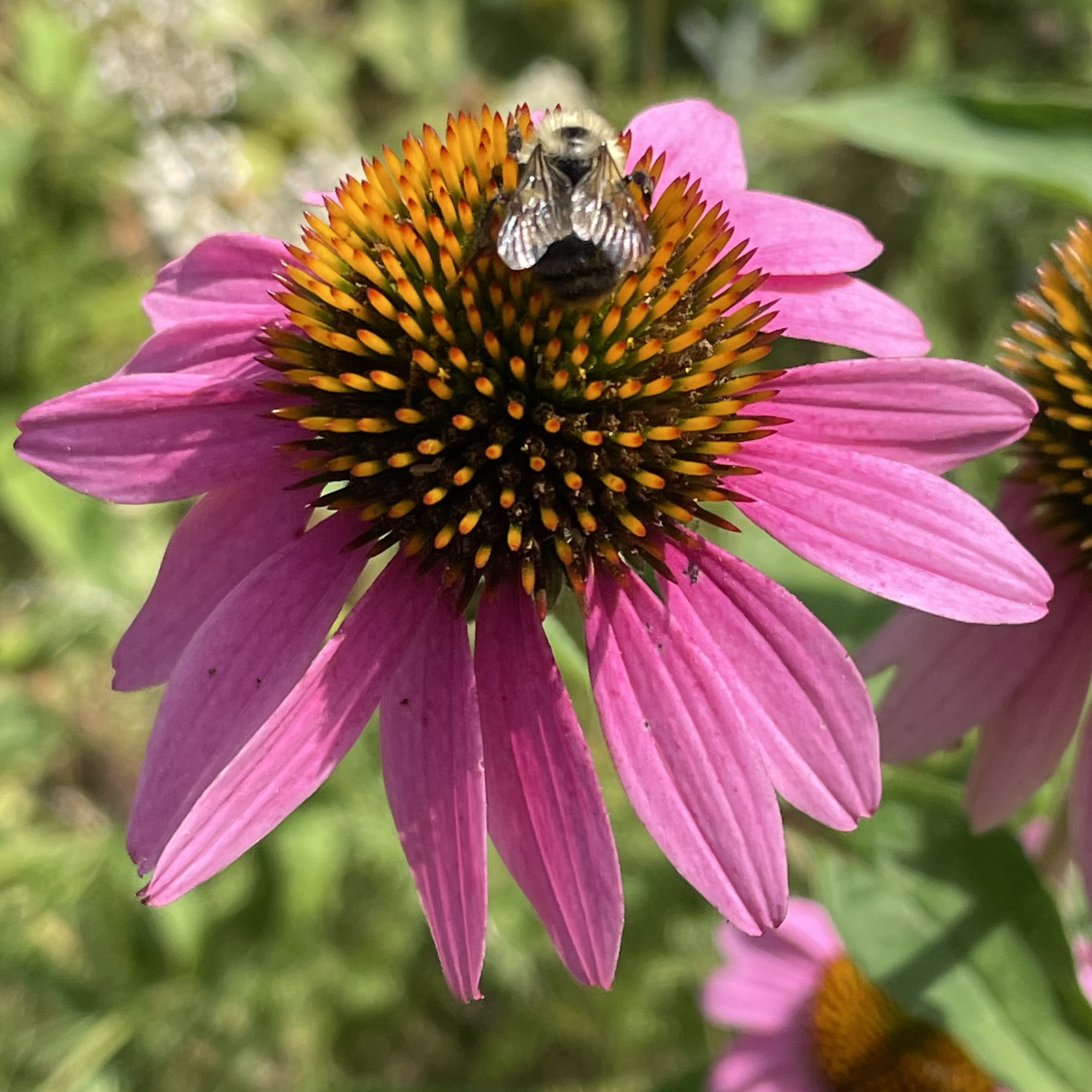
Everywhere we go the plants are there. And there are a few plants that are almost always there, at least in the northern hemisphere. Plantain, yarrow, dandelion. And I mentioned Echinacea in my last post, which by the way attracted the attention of an AI named Christopher who informed me that my storytelling was inaccurate and that my understanding of Echinacea was incomplete. I had to restrain myself from asking if Christopher had ever compared the taste of Echinacea roots vs. the flowers vs. the seeds.
I digress.
If you have Echinacea in your garden, be sure to thin it out before the cold sets in and make a syrup or tincture or salve to have on hand.
So I’ll make an effort to move past the zombie apocalypse. But let me tell you why I started there. Zombies scare me. More than a lot of things. They are mindless. They are dead. They have nothing to lose. So I joke about them because it helps me throw off the fear of the thing. And throwing off fear is necessary when I have to respond in a disaster.
Talking about disasters, creating disaster plans, and learning about the plants at my feet helps me feel less fearful about whatever comes my way. It helps.
That’s why I keep offering the classes and workshops in my Community Resilience Series. These experiences help those who come find ways to ease the anxiety, focus on working with the things that are right in front of us, and be creative about finding ways to give ease.
Which is what really matters.

The next opportunities are:
Disaster Herbalism – this Friday and Saturday, October 2 & 3
Kelly’s Working Well Farm, Chagrin Falls, OH
You don’t have to come both days. I would love it if you come for both days, but if you can’t, just come on the day you can. We’ll do plant walks to see what’s at our feet and how we would work with it, whether plant, earth, or water. We’ll talk about realistic scenarios and how to plan for them and knowing when planning must be set aside for action.
Herbs for the Thinning Veil, October 19
Roots of Reverence Herb Shop, Lakewood, OH
This experience will help us break out of current events and connect to hope, imagination, creativity, and the wisdom of the plants. Sometimes building resilience means looking to the visionary experience and the plants that open and protect the mind and spirit.
Community Medic Training, November 7
Church of the Sparkling Unicorn, Columbus, OH
Learn basic first aid and medic skills from a community perspective and how to deal with zombies. I mean, not zombies, but maybe zombies. I can’t not joke about it because it’s a form of exposure therapy. I refuse to watch zombie movies though, so don’t ask.
Community Herbal Intensive Level 1 – Getting Grounded, starts in March
NE Ohio and Columbus
The 6-month payment plan option ends October 1 for this 9-month course in the foundations of community herbalism.

Leave a Reply